

Description
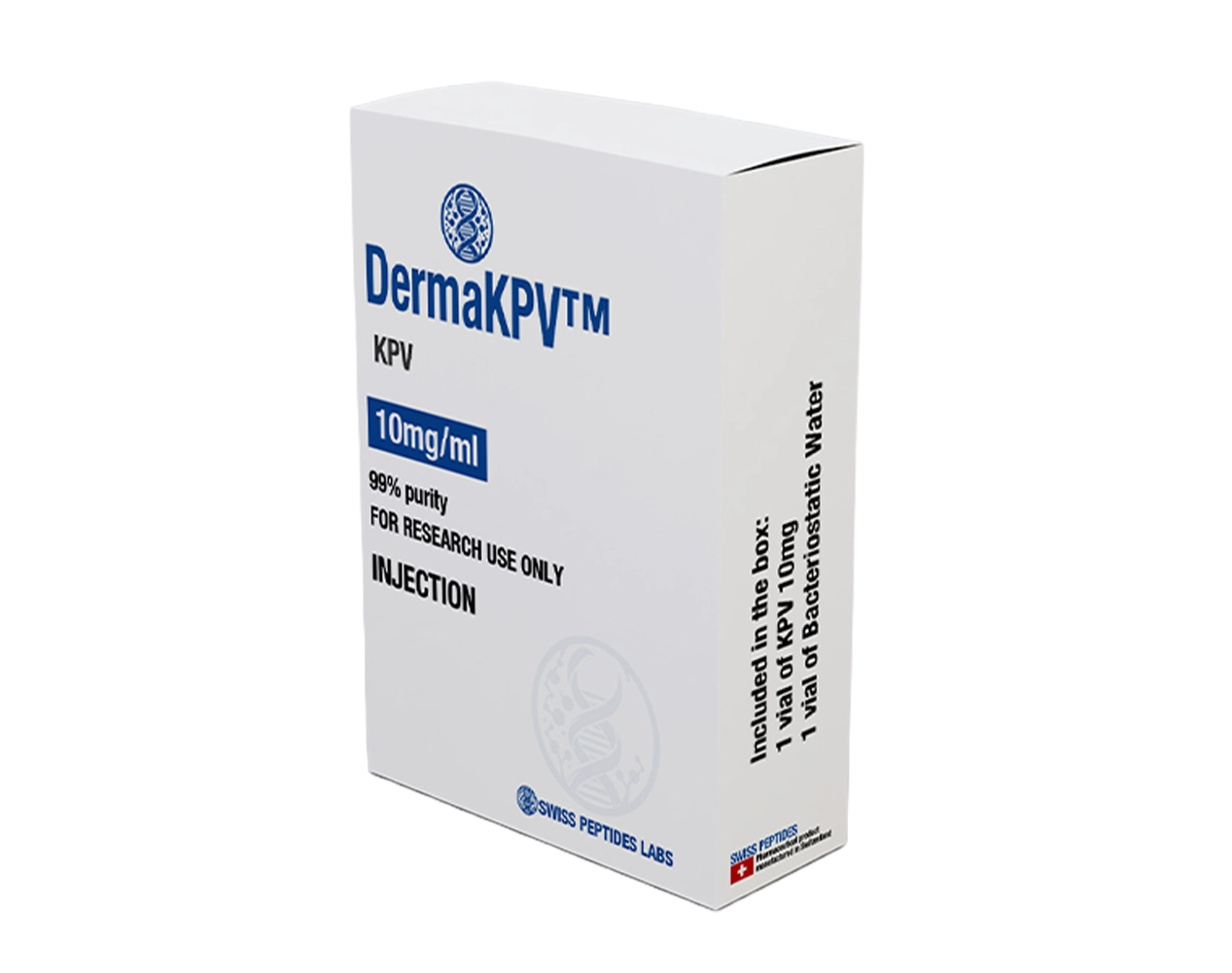
DermaKPV™ KPV is a high-purity synthetic tripeptide designed for advanced research into inflammatory signaling, skin barrier function, and immune modulation. As a fragment of α-MSH, KPV retains the anti-inflammatory activity of the parent hormone without engaging melanocortin pigmentation pathways. It is widely studied for its ability to suppress pro-inflammatory cytokines, support epithelial repair, and enhance tissue homeostasis. The 10mg/mL presentation is optimized for controlled laboratory and experimental research protocols.
Benefits
-
Modulates inflammatory cytokine signaling pathways
-
Supports skin barrier integrity and epithelial repair
-
Demonstrates immunomodulatory activity in research models
-
Reduces cellular inflammatory responses
-
Supports gastrointestinal mucosal integrity studies
-
Influences wound healing and tissue homeostasis pathways
-
Enhances research into dermatological inflammation models
-
Regulates immune response signaling mechanisms
-
Supports oxidative stress response studies
-
Contributes to epithelial regeneration research
Scientific Areas of Study
Dermatological Inflammation:
KPV is extensively studied for its ability to suppress pro-inflammatory mediators in skin cells, making it relevant for models of dermatitis, irritation, and barrier dysfunction.
Gastrointestinal Mucosal Integrity:
Research explores its effects on epithelial lining protection and cytokine regulation in intestinal inflammation models.
Immunomodulation:
Studies focus on how KPV influences innate immune signaling and balances inflammatory responses at the cellular level.
Wound Healing and Tissue Homeostasis:
KPV is analyzed for its role in promoting epithelial regeneration and maintaining tissue equilibrium during injury repair.
Oxidative Stress and Cellular Protection:
Investigations examine its potential to reduce oxidative damage and support cellular resilience under stress conditions.
Research Conclusion
DermaKPV™ KPV in its 10mg/mL presentation represents a high-purity, research-grade tripeptide for advanced studies in inflammatory regulation, epithelial biology, and immune signaling. Its selective anti-inflammatory mechanism allows researchers to explore tissue protection and regeneration pathways without activating pigmentation-related processes. This compound is strictly intended for controlled laboratory research environments.


Reviews
There are no reviews yet.